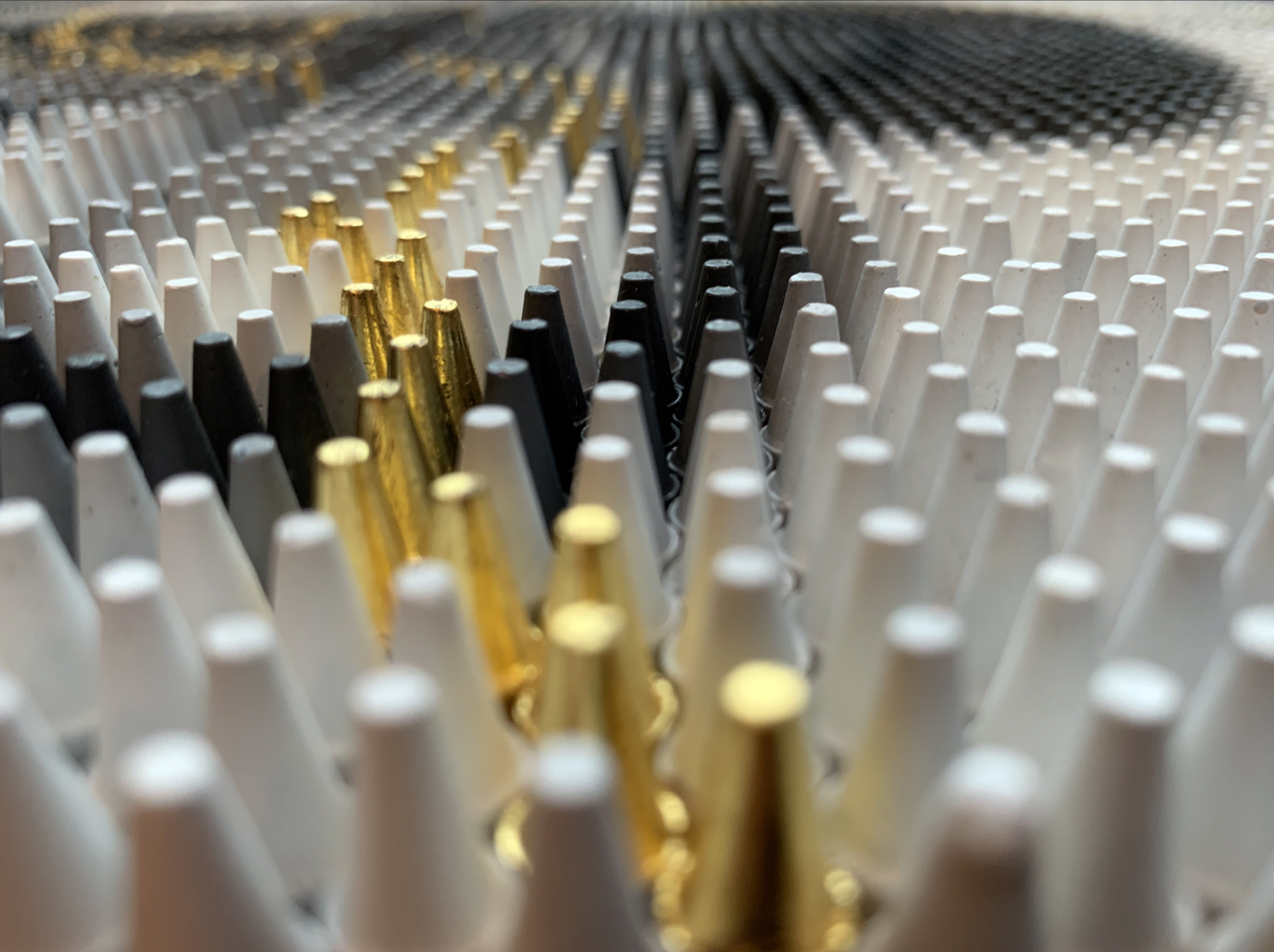
Chris Faur Spotlight
Chris Faur
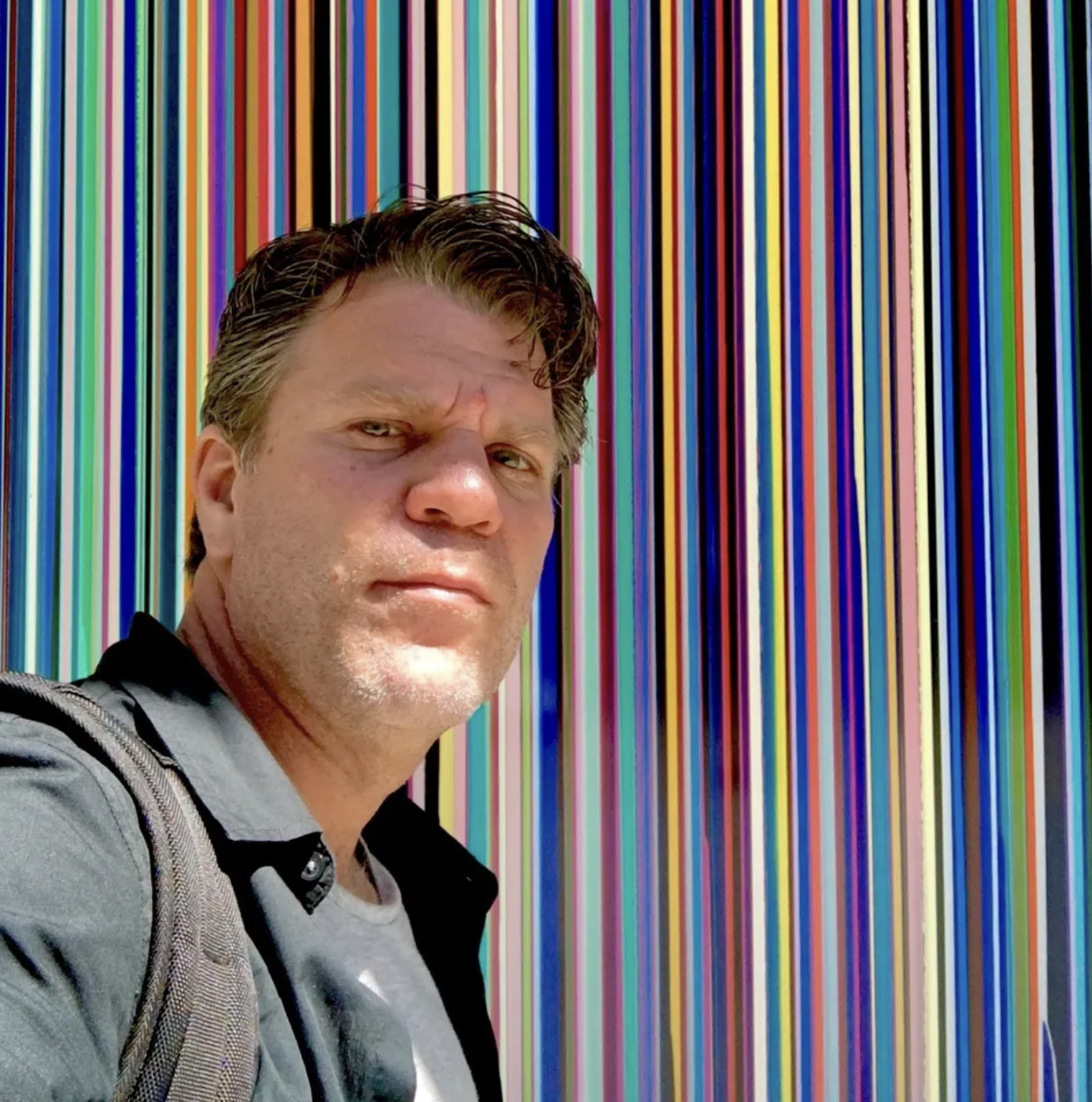
Written by Mark Moore, April, 2026
Chris Faur is heavily involved in the technical world. Is he a tech wizard? Is he a scientist? Is he an artist? These are all questions that we explored when sitting down talking to Chris himself.
Chris grew up with a pure passion and love for rules and puzzles. In college Chris switched his major from nursing to physics where he then was able to fully immerse himself in a realm that he enjoyed. “I really loved all aspects of the computer, because it allowed you to think of creative ideas and then get them created. I was doing my physical artwork in the studio, and at the same time I was getting my degree working with computers. I found that I loved both of them equally.”
As the Director of Collaborative Technologies, Chris’s job focuses on using technology within a creative arts setting. He’s spent over 25 years helping students and faculty incorporate technology in a way that makes sense to their work. When thinking about his own work, he describes it as being experimental. “I've used computers to help me develop ideas, but I seriously love the tactile nature of working with real materials. So I don't do digital work as much.” “I've had projection work shown at the museum in Columbus. Creating things like robots for the production at the Wexner Center, or working in a virtual reality space with different faculty here [Denison University.]”
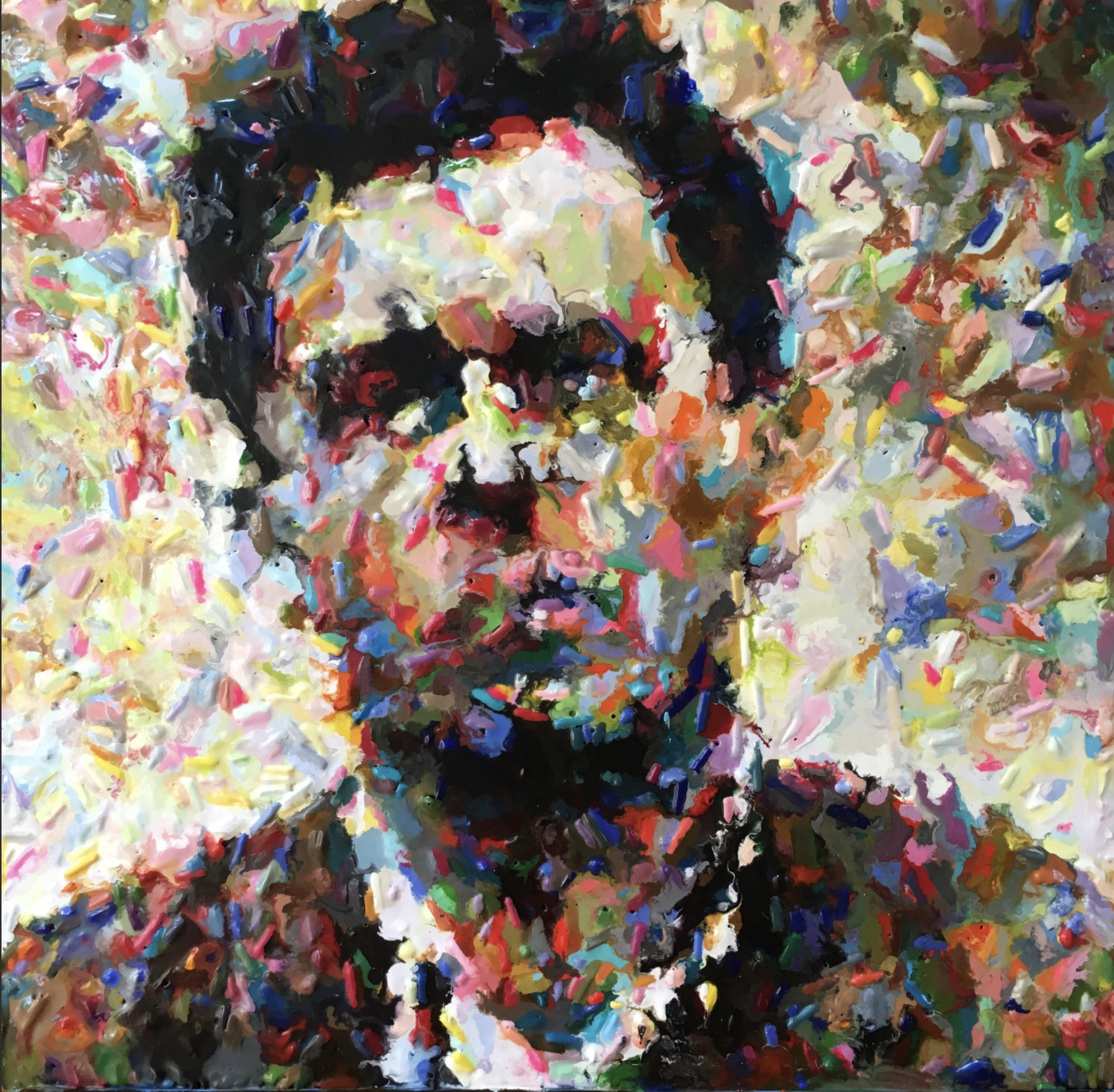
The kind of art that Chris wants to make is work that allows him to get into the actual experiment, “and then see where that experiment goes, and bring something new into the world, potentially. Then decide if it's meaningful or not.”
Chris does not consider himself an ‘artist’ per se, but rather someone who creates. “I don't feel that I'm an artist, so I guess I don't make art. I'm a maker, and you decide if it's art. All perfume is an art. Food-making the perfect bite- is an art. The elegance of counting from one to a hundred and adding up all those numbers, that can be an art. There's lots of different ways of approaching something, to the most elegant way of thinking about a thing. The world itself around us, everything, every molecule is art.”
”Anything that's still in my house that hasn't been sold has the potential of being used as an experiment for the next piece or next idea that I have. I will happily destroy tons of work in order to see what happens. I've melted the entire work of crayons before just to see what would happen. And from that, I developed a whole new series, a way of approaching making crayon works, or making works that are encaustic. You have to be willing to destroy stuff. If you have an idea, see where it might take you.”
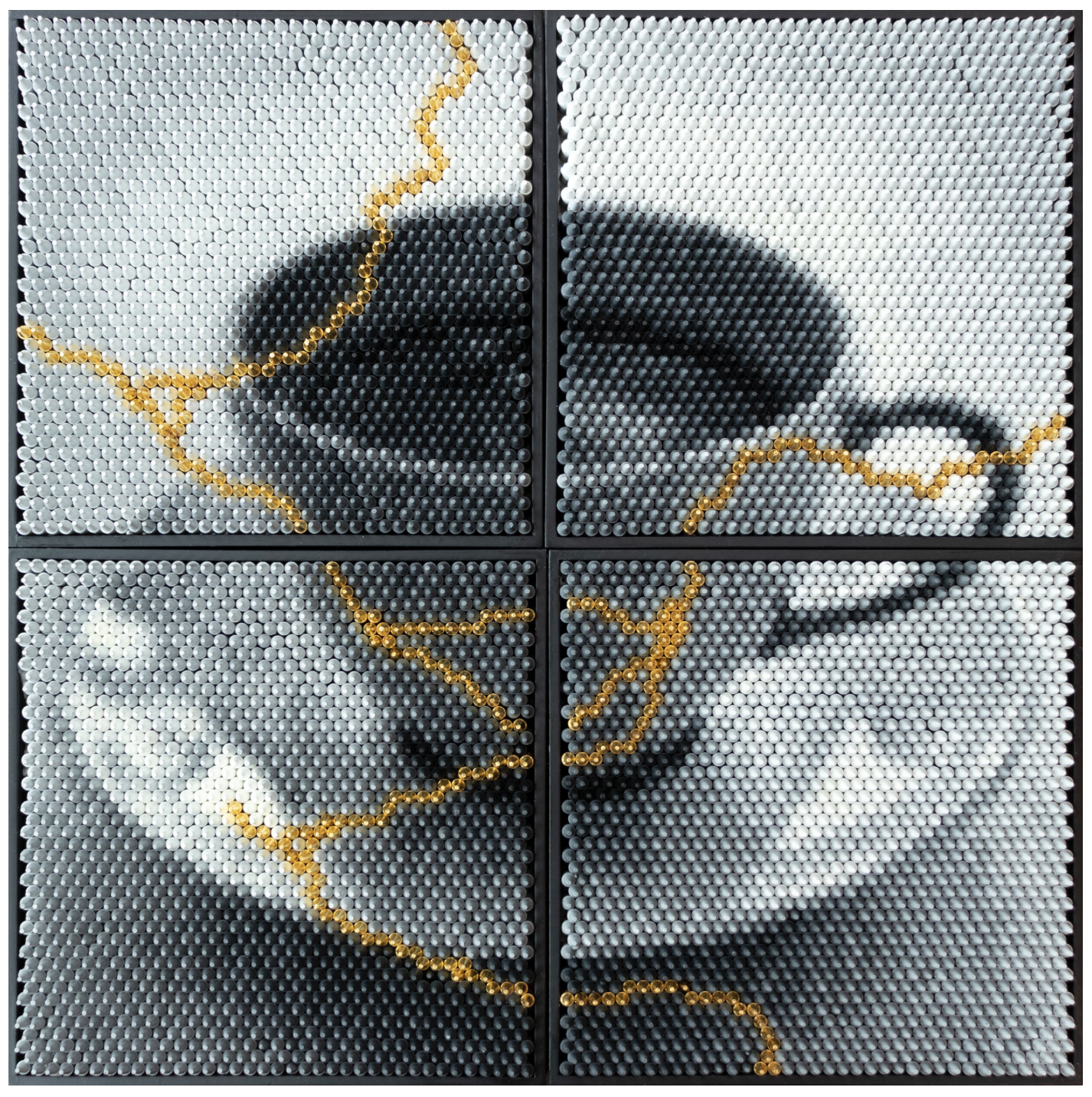
“I feel like the population's not been trained, not been educated to really respect the idea of handmade objects. Each one of those objects was made by somebody. We have this idea of art being so expensive that you can never possibly afford it. What it should be is that everybody should be making art. Then everyone would have real art in their house. What we've done is taken the idea of art, and we've elevated it.” Ultimately, Chris suggests that we’ve made art an elitist commodity.
One of Chris’ favorite art pieces is “1000 Hours of Staring” by Tom Friedman. “That is a really interesting piece, because when you look at it, it's just a sheet of paper, and if you put it right next to another sheet of paper, one sheet of paper has zero hours of staring, and the other one has 1000. Which one is more valuable? Which one is the one you would buy? How could you tell the difference?”
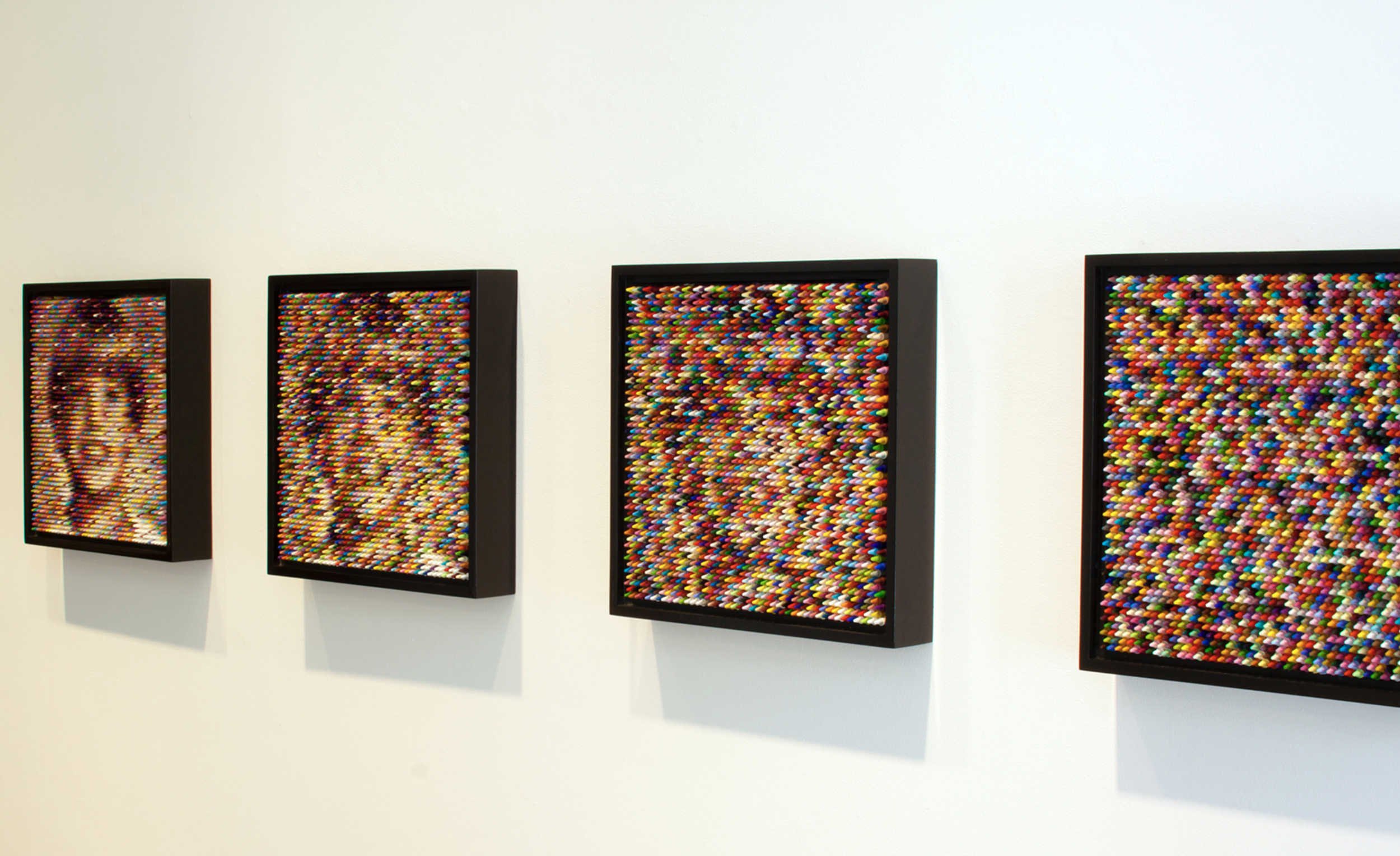
Chris’ stance on AI is that “AI’s can make anything. You will have so many images in the future made by AI that will be better than anything a human can make. Then everything that is human made, we’ll want to buy. This is where makers and people like that will have a resurgence of others interested in their works. People who make art, people who make theater, people who make dance, live performance, people watching other people, that’s going to be the future.” He adds, “1% of the population collects art, I think that eventually everybody will be collecting art.” Just because AI can make something doesn’t mean we’ll want it. We’ll want the things people make. “What would you rather have?”