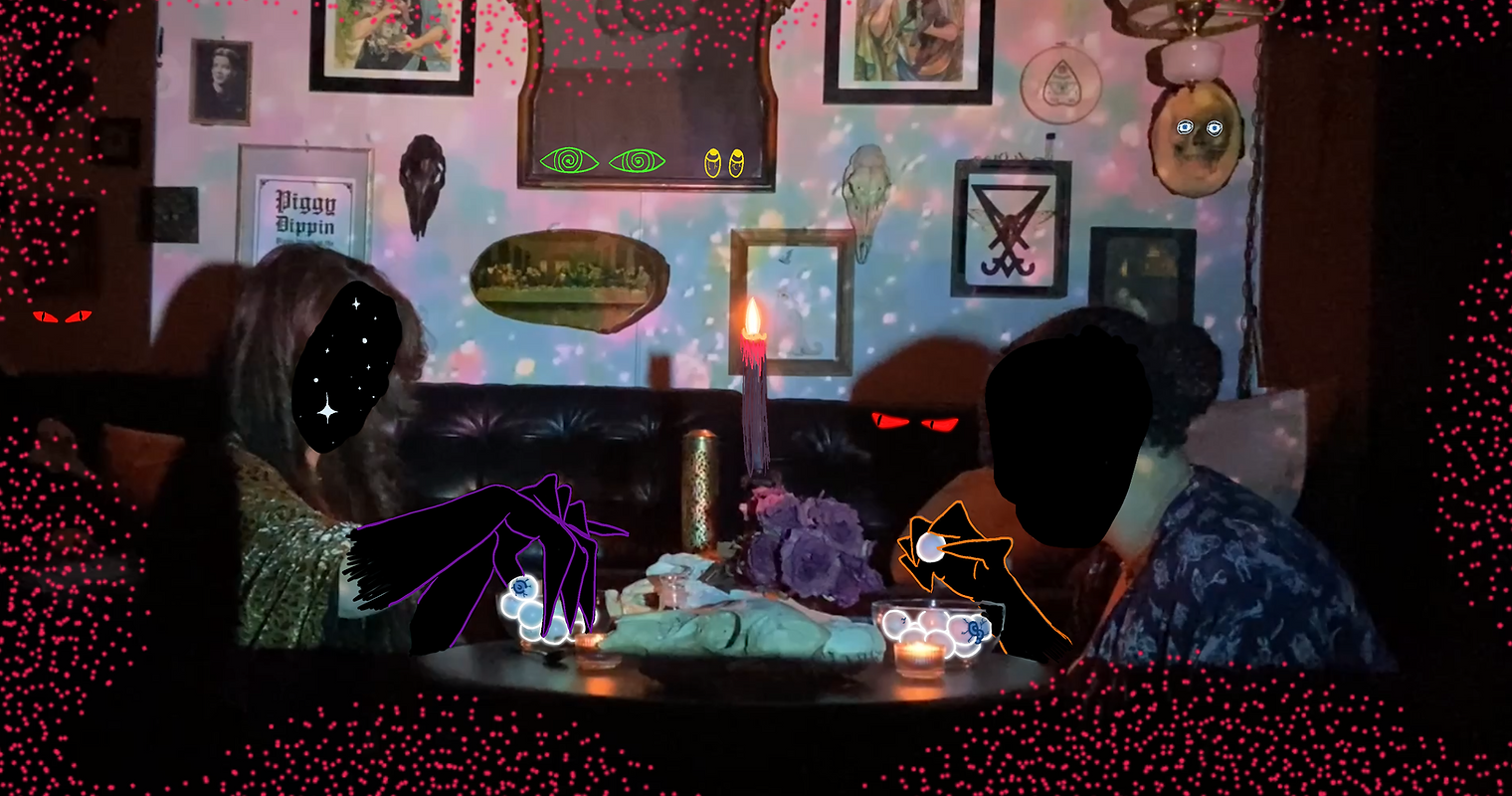
Lashonda Love Spotlight
Lashonda Love
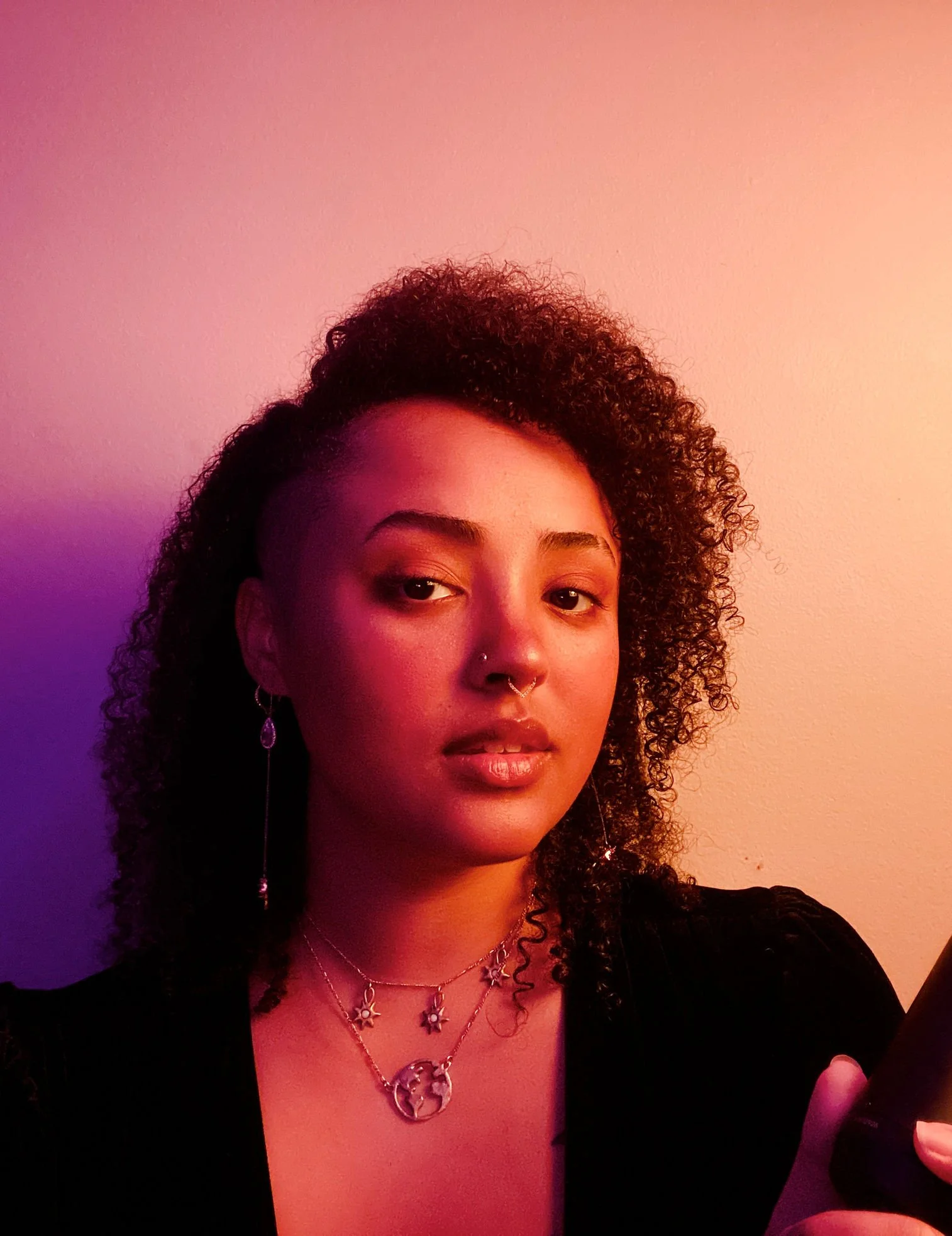
Written by Mark Moore, April, 2026
Lashonda Love is no stranger to the creative overlaps of the musical and art world. When they were a toddler, Lashonda was heavily interested in drawing and writing, “I always loved listening to music, but I definitely picked up writing very quickly”. They recall writing poetry as being an easy outlet for them. In third grade, Lashonda started violin, and from there on out they would continue to pursue their musical path.
When they graduated Denison University, they jumped into the world of non-profit., During this time of their life, the artistic side of them took a step back for a while as they were trying to navigate all of the interests that they had. A few years after graduation, they realized that they didn’t have to limit oneself to one thing. “I learned for the first time ‘interdisciplinary’, what that meant. It felt like a good container to hold all of the work that I really wanted to do. I think I've always been intrigued by performance art, but very scared to be the person who is front and center. Even when I was playing violin really regularly, doing recitals, there's still an aspect of the instrument [that] is speaking for you, and you're not the one who's really on display. So performance art, it's definitely been a challenge, but I'm really thrilled by it.”
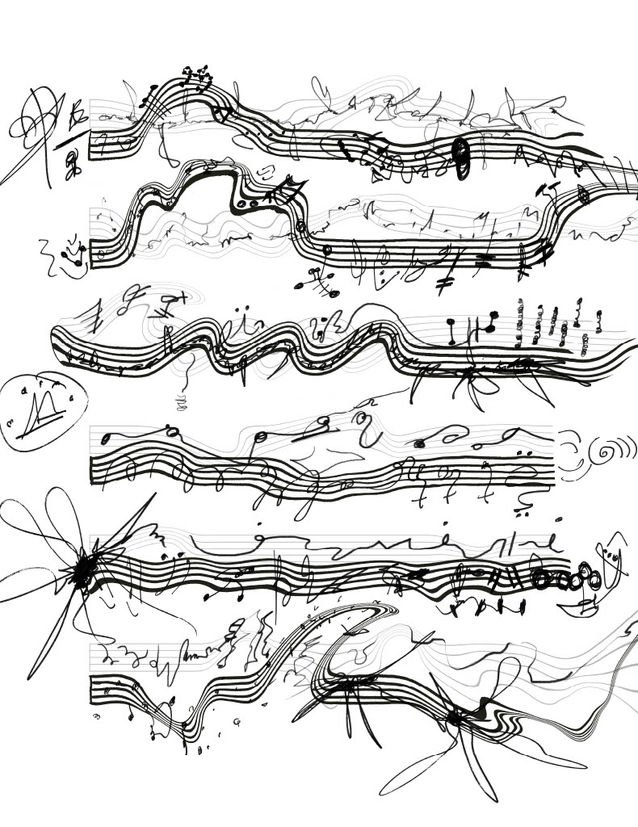
“What I'm focusing on a lot right now is actually performance and social practice.” “When you're creating in a space, when you're performing or putting your work into the public, part of that work can also be the invitation to the public to join.” “They are witnessing the art, but you are also giving them a responsibility within it.” Lashonda’s passion is anchored around activating people to think creatively about the same questions. “So if my big question that day is, how do we love each other properly? That's my invitation to them in that social practice setting. It is inviting them to do certain things.”
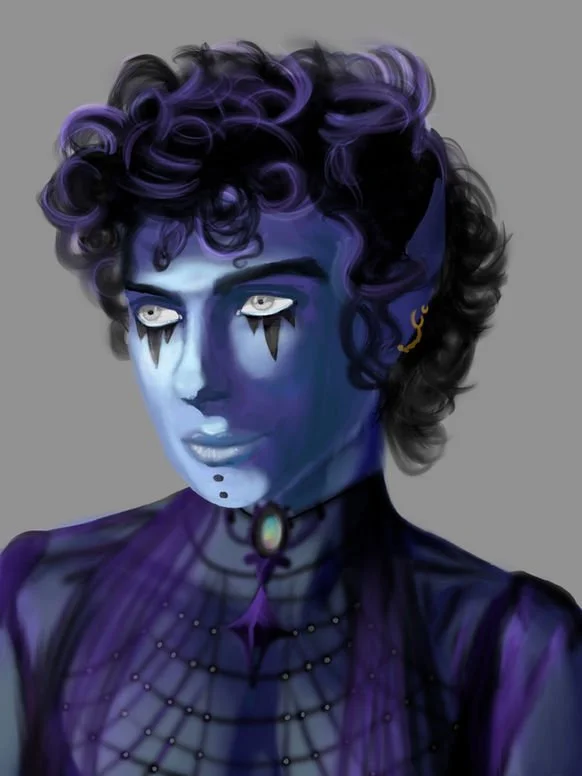
Lashonda’s work originally focused on their identity and childhood, and they would try to “figure out what it means to be that person who went through those things.” Although this was their original focus, it has shifted much. “I think that my work has maybe matured a bit more with experience and being in collaboration with a lot of other artists. A lot of what I'm looking at now is [how] we're all navigating this world together, and the world feels really heavy and intense right now. How do we fix it? What do we do? A lot of the work I'm making right now is like, yeah, the world is on fire, but how are we in relation to each other? How can we care for each other, and how can we also move forward in a way that makes sense for every single person who's part of our communities.” Lashonda is currently putting together an exhibition through their MFA program which “borrows from artistic traditions across the diaspora as a means of storytelling and audience activation. It is a performance and sound design-based installation.”
Funding for the arts is currently under attack. This topic is crucial to Lashonda when thinking about the current state of the world. “There’s a top down thing that happens when you attack the funding. You start to see arts organizations closing or having to reduce what they can then provide. I was funded by the Greater Columbus Arts Council. They used to be able to fund artists in Licking County, but now they can't do that anymore, because they don't have enough of their own funding to be able to provide to a ton of artists.”
“When our communities become less ‘arts’ vibrant, people just don't have an outlet to express the deeper emotions that they have. You can have these discussions and conversations and community with people, but there's nothing like art to provide that specific kind of expression to get us even just thinking creatively, figuring out how to solve problems creatively. That's the work of artists. In a world without any of that, we’d see a lot more of what we already don't like about where we currently are. Declining problem solving, declining critical thinking. I don't think people really realize that even if they aren't an artist, they experience art every single day. It really is everything, all the films we watch, all the music we listen to, down to the architecture of the buildings around us, right? A world without art becomes like this bland hellscape where people aren't able to express themselves, or to be moved by the expression of others. I think that would be really sad.”