Thomas Nelson Spotlight
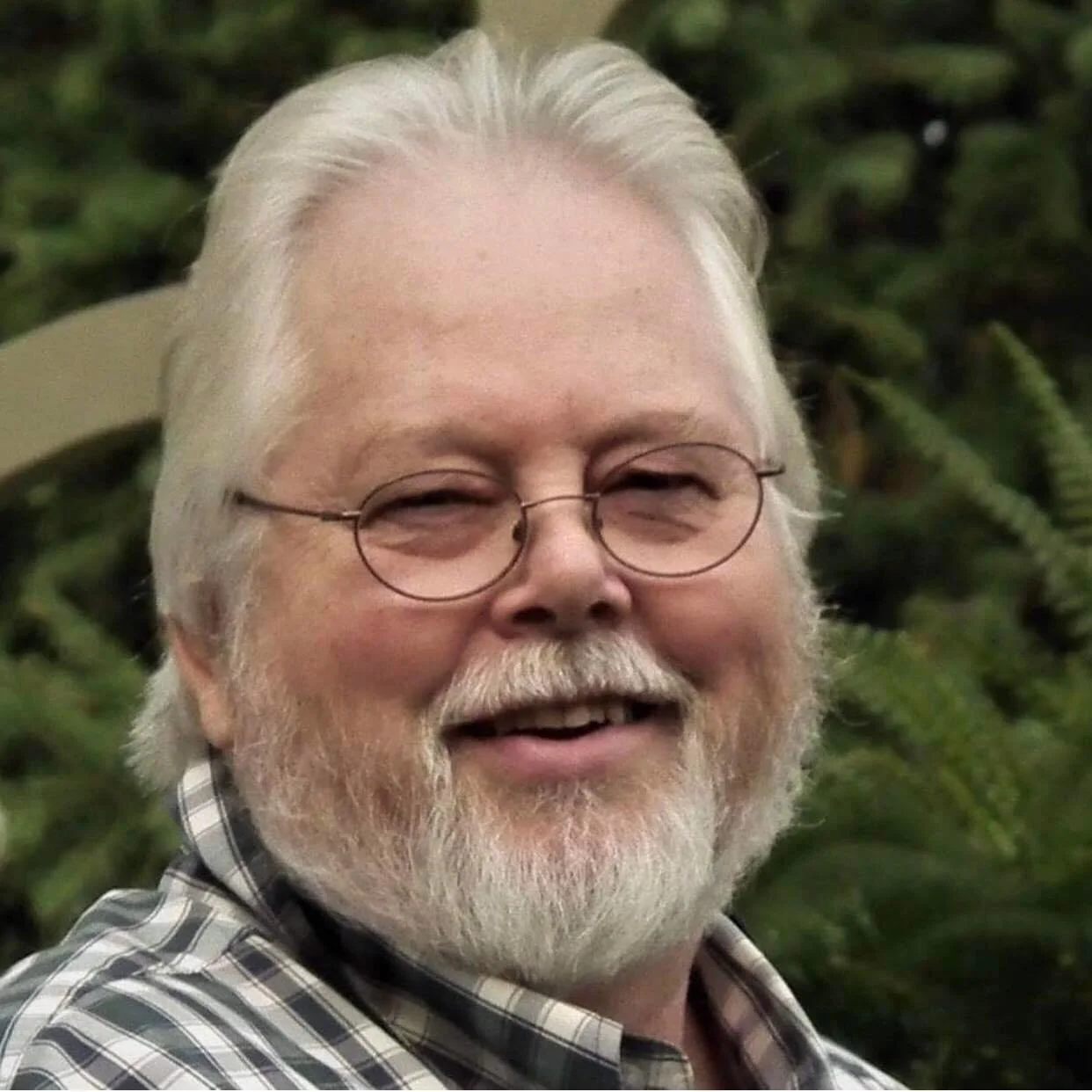
Thomas Nelson
Written by Nor Osborne, April, 2026
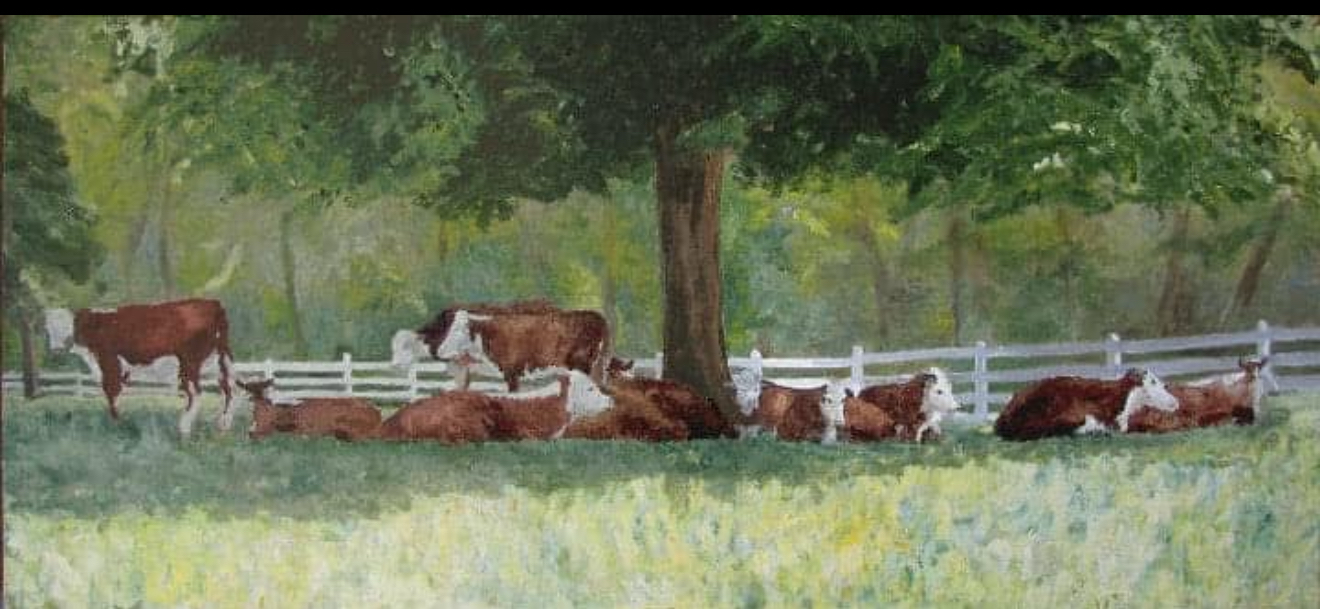
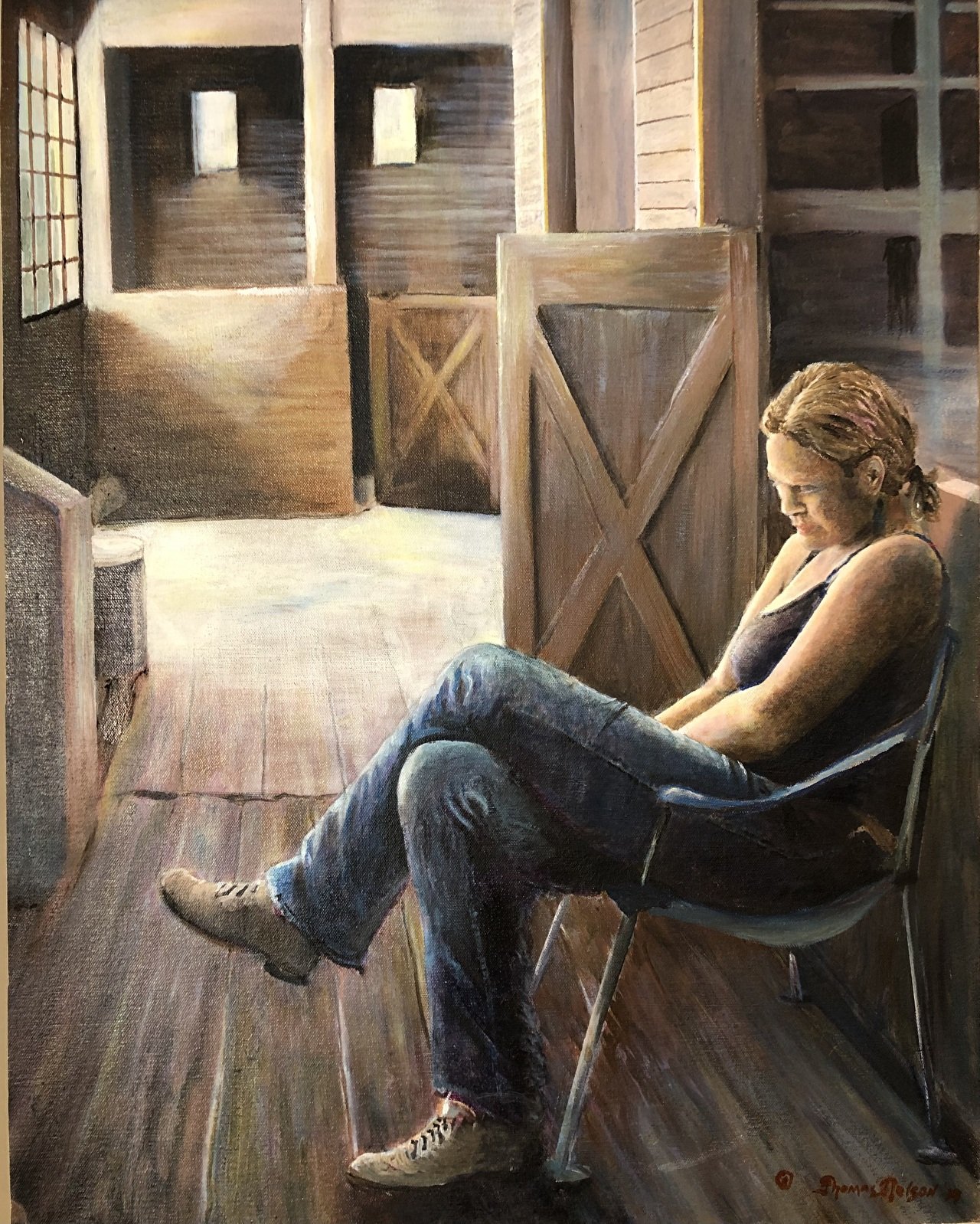
Thomas Nelson’s paintings evoke the quiet grit of rural life, centering on workers, tractors, barns, and vast fields. His muted palette and massive canvases, some stretching up to six feet, immerse viewers in scenes of labor and landscape. Blending realism with impressionistic elements, Nelson captures the rhythm of small-town life with both reverence and restraint. His work doesn’t just depict the land, it honors those who work it in a way that is accessible to the viewers of his work.
Raised in rural Southeastern Ohio, Thomas grew up surrounded by farm life. “My work is a way of making peace with where I came from. I didn't feel like I belonged there when I was growing up.”
Born into a long line of furniture makers, Thomas joined the family trade. But nearly every summer, he would visit New York, walking down the long halls of The Met, staring intently at the paintings. He wanted to paint.
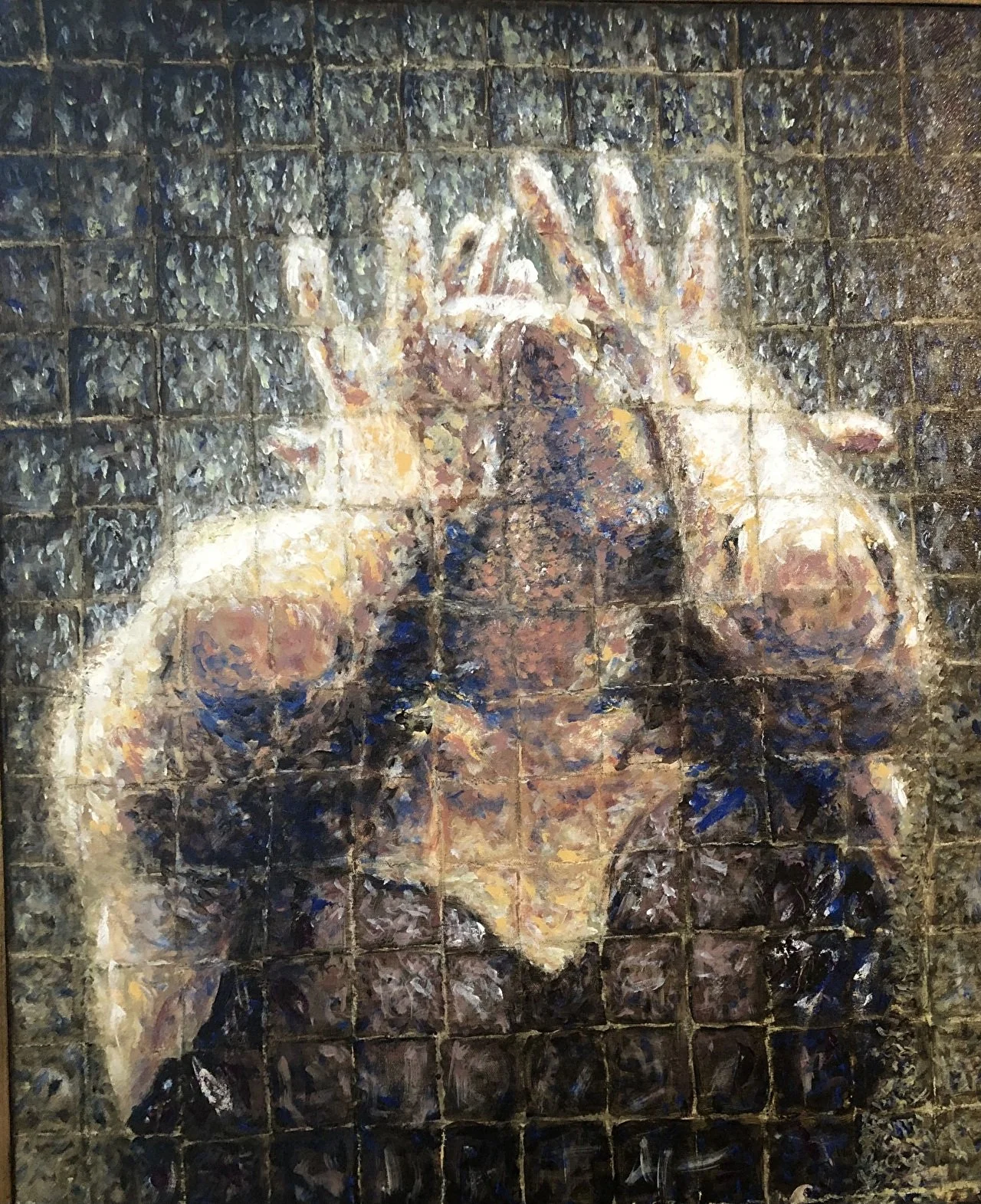
He honed in on his love of art. As soon as he graduated from high school, he took his experience in the woodshop and set off. Thomas collaborated with members of the American Society of Interior Designers and traveled all across the country, far away from his rural hometown. He focused on murals, faux finishes, fresco, and trompe l’oeil. He lived and worked in Columbus, Phoenix, Los Angeles and New York.
But after 15 years of travel, he was longing for home.
“I realized that I came from a perfect place. I missed the farms and the fields.” He returned to Ohio, and began attending the Ohio State University and settled in Granville.
“I realized I lacked technical skills. I needed training.”
Thomas earned a degree in painting and drawing, and art history then returned for a degree in education. Using these degrees, Thomas taught at Columbus State and the Central Ohio Technical University for 17 years.
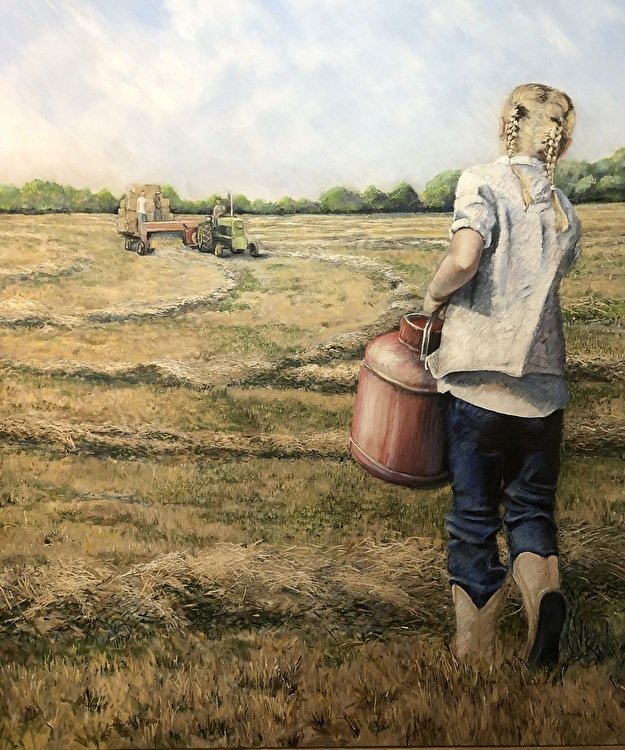
He shifted his artistic focus towards visions of his childhood, learning to embrace the home from where he started.
“Southeastern Ohio sometimes has a stigma to it. There's a stereotype that people are uneducated, living in dilapidated houses, but that couldn’t be further from the truth. The majority are independent, with integrity, educated in what they’re doing,” Thomas says.
“There's a nobility there. I'm always looking for that nobility, always looking for that moment that tells those stories.”